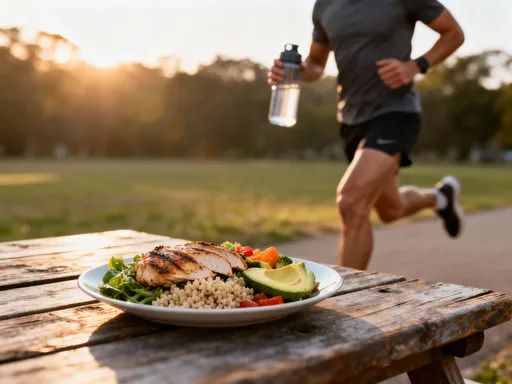
Fueling Strength: How I Nailed the Nutrition Game to Power My Fitness Journey
Ever wondered why your workouts feel harder than they should? I did too—until I realized fitness isn’t just about reps and runs. It’s about what fuels your body before, during, and after. After years of trial, error, and real-life testing, I discovered simple, science-backed eating principles that transformed my energy, recovery, and results. This isn’t a diet plan—it’s a practical, no-nonsense approach to eating for strength, endurance, and real progress. What you eat doesn’t just shape your body; it shapes your stamina, your focus, and your ability to keep going, day after day. And for women managing homes, families, and personal goals, that kind of resilience is priceless.
The Hidden Half of Fitness: Why Nutrition Isn’t Optional
Fitness culture often glorifies movement—long runs, intense classes, weightlifting milestones—while quietly sidelining the role of food. But no matter how disciplined your workout routine, it can’t outpace poor nutrition. Think of your body as a high-performance vehicle: even the most powerful engine will stall without the right fuel. Exercise breaks muscle down; nutrition rebuilds it. Movement creates demand; food supplies the resources. Without both working in harmony, results plateau, energy dips, and motivation fades.
Research consistently shows that dietary habits account for a significant portion of body composition changes, often more than exercise alone. A study published in the journal Obesity Reviews found that while physical activity supports metabolic health, weight management is primarily driven by caloric intake and food quality. This doesn’t mean workouts are irrelevant—they’re essential for cardiovascular health, strength, and mental well-being—but they are only half the equation. For women in their 30s to 55s, who may face shifting hormones, slower metabolism, and increased stress, getting nutrition right becomes even more critical.
The truth is, food is not just about weight. It’s about function. Every bite contributes to your energy levels, immune resilience, joint health, and recovery speed. Skipping meals, over-restricting calories, or relying on processed convenience foods might seem manageable in the short term, but they sabotage long-term fitness goals. Chronic low energy, prolonged soreness, difficulty building strength—these are often signs of nutritional gaps, not lack of effort. Recognizing this shift—from seeing food as the enemy to viewing it as essential support—marks the beginning of real progress.
Equally important is consistency. One perfect day of eating won’t undo weeks of imbalance, just as one off-day won’t ruin your progress. The goal isn’t perfection but sustainability. Women balancing family meals, work schedules, and personal time need realistic strategies, not rigid rules. Nutrition becomes powerful not when it’s flawless, but when it’s dependable. When you fuel your body with intention, movement feels easier, recovery accelerates, and the results you’ve been chasing finally start to show.
Protein: The Building Block You Can’t Skip
Among all nutrients, protein stands out as the cornerstone of strength. It’s the raw material your body uses to repair muscle fibers damaged during exercise and to build new tissue. Without sufficient protein, your workouts may strengthen your commitment, but they won’t significantly strengthen your body. This is especially true for women as they age, when natural declines in muscle mass—known as sarcopenia—begin as early as the mid-30s. Preserving muscle isn’t just about appearance; it supports metabolism, balance, bone health, and overall vitality.
Many women underestimate their protein needs, often consuming far less than what’s required for optimal recovery. General guidelines suggest 1.2 to 2.0 grams of protein per kilogram of body weight per day for active individuals, depending on goals. For a 150-pound woman, that’s roughly 82 to 136 grams daily. But it’s not just about total intake—it’s about distribution. Spreading protein evenly across meals (about 20–30 grams per meal) maximizes muscle protein synthesis better than consuming most of it in one sitting. This means breakfast should include protein, not just dinner.
Whole food sources are ideal. Eggs, Greek yogurt, cottage cheese, poultry, fish, legumes, tofu, and lean beef offer high-quality protein along with other beneficial nutrients. A morning meal of scrambled eggs with vegetables, a midday salad with grilled chicken, and a dinner of salmon with quinoa provide balanced, practical protein intake. For those with limited time or appetite, adding a scoop of plain protein powder to a smoothie or oatmeal can help meet targets without excess sugar or additives.
A common myth is that high protein intake harms the kidneys or automatically leads to bulky muscles. For healthy individuals, there’s no evidence that moderate high-protein diets cause kidney damage. And women, due to lower testosterone levels, do not build large, bulky muscles from protein alone. Instead, adequate protein supports lean, strong physiques and helps maintain fullness between meals, reducing the urge to snack on empty calories. The key is balance—not excess, not deprivation, but consistent, strategic intake that supports daily life and fitness goals.
Carbs Are Not the Enemy: Choosing the Right Energy
Carbohydrates have been unfairly demonized in modern fitness culture. Blamed for weight gain and labeled as “empty calories,” many women eliminate or severely restrict them, often without understanding their vital role. In reality, carbohydrates are the body’s preferred source of energy, especially during physical activity. When you cut them too drastically, you may lose weight initially, but you also lose stamina, mental clarity, and workout performance.
The issue isn’t carbs themselves—it’s the type and timing. Simple carbohydrates, like those in sugary snacks, white bread, and soda, are digested quickly, causing rapid spikes and crashes in blood sugar. These can lead to fatigue, cravings, and difficulty focusing. Complex carbohydrates, on the other hand—found in whole grains, legumes, fruits, and starchy vegetables—break down slowly, providing steady energy and sustained fuel. Oats, brown rice, sweet potatoes, lentils, and bananas are excellent examples that support both daily function and athletic performance.
For active women, carbohydrates are essential for replenishing glycogen stores in muscles and the liver. Glycogen is the stored form of glucose that powers high-intensity efforts like strength training or interval workouts. Without adequate carb intake, your body struggles to perform at its best, leading to early fatigue and reduced training capacity. A study in the Journal of the International Society of Sports Nutrition found that athletes who consumed sufficient carbohydrates before and after exercise experienced improved endurance, faster recovery, and better muscle preservation.
The smart approach is to match carb intake to activity level. On days with intense workouts, including a moderate portion of complex carbs in pre- and post-exercise meals helps optimize performance and recovery. On rest days, reducing carb portions slightly while increasing vegetables and healthy fats maintains balance without deprivation. This flexible strategy prevents energy crashes and supports long-term adherence. For example, a pre-workout snack of apple slices with almond butter or a post-workout bowl of quinoa with roasted vegetables provides the right fuel at the right time. Carbs aren’t the enemy—they’re your energy allies when chosen wisely.
Fats That Fuel, Not Fail: The Misunderstood Macro
Dietary fat has long been misunderstood, especially in weight-conscious circles. Many women still equate fat with body fat, avoiding it in pursuit of leanness. But this mindset overlooks the essential roles fats play in hormone regulation, brain function, joint lubrication, and nutrient absorption. Cutting fat too drastically can lead to dry skin, hormonal imbalances, low energy, and poor satiety, making it harder to stick to healthy eating patterns.
Fats are necessary for the production of steroid hormones, including estrogen and progesterone—hormones that influence everything from mood to metabolism to bone health. Healthy fats also support the integrity of cell membranes and aid in the absorption of fat-soluble vitamins like A, D, E, and K. Without adequate fat intake, even a nutrient-dense diet may not deliver its full benefits. For women navigating perimenopause or menopause, maintaining hormonal balance through proper nutrition becomes increasingly important, and healthy fats are a key piece of that puzzle.
Not all fats are equal. Trans fats, found in many processed and fried foods, should be avoided. Saturated fats, while not inherently harmful in moderation, are best balanced with unsaturated fats. The most beneficial fats are monounsaturated and polyunsaturated fats, found in foods like avocados, olive oil, nuts, seeds, and fatty fish such as salmon and sardines. These fats have been linked to improved heart health, reduced inflammation, and better cognitive function.
Practical ways to include healthy fats include adding sliced avocado to salads, using olive oil as a dressing, snacking on a small handful of almonds or walnuts, or blending flaxseeds into smoothies. These additions enhance flavor, increase fullness, and support long-term energy. A common concern is that eating fat leads to weight gain, but research shows that moderate-fat diets are just as effective for weight management as low-fat diets, especially when they improve satisfaction and reduce overeating. The goal isn’t to eliminate fat but to choose quality sources and include them mindfully as part of a balanced plate.
Hydration and Timing: The Silent Performance Boosters
While macronutrients get most of the attention, hydration and meal timing are silent yet powerful contributors to fitness success. Even mild dehydration—just 2% loss of body weight in fluids—can impair strength, coordination, focus, and recovery. Symptoms like afternoon fatigue, headaches, or muscle cramps are often signs of inadequate hydration rather than other health issues. For women managing busy schedules, staying hydrated can be overlooked, yet it’s one of the simplest and most effective ways to support daily performance.
A practical benchmark is urine color: pale yellow indicates good hydration, while dark yellow suggests the need for more fluids. Daily water needs vary based on activity, climate, and individual factors, but a general guideline is 8–10 cups (64–80 ounces) for most women, with additional intake during exercise or hot weather. Herbal teas, water-rich foods like cucumbers and watermelon, and even coffee in moderation can contribute to fluid intake. The key is consistency—sipping throughout the day rather than chugging large amounts at once.
Meal timing also plays a supportive role. While the body can adapt to various eating patterns, aligning food intake with activity enhances results. Eating a balanced meal or snack containing protein and carbohydrates 1–2 hours before exercise provides sustained energy. A small banana with peanut butter or a bowl of oatmeal with berries are excellent pre-workout options. After exercise, consuming protein and carbs within 45 minutes to 2 hours helps replenish glycogen and initiate muscle repair. A smoothie with protein powder and fruit, or a sandwich with lean meat and whole-grain bread, works well.
For women with irregular schedules, rigid timing isn’t always practical. The focus should be on consistency over precision. If you can’t eat immediately post-workout, aim to eat within a few hours. The body remains in a recovery state for up to 24 hours after exercise, so total daily intake matters more than exact timing. Still, being mindful of when you fuel can make workouts feel easier and results more noticeable. These small, strategic choices compound over time, turning good habits into lasting results.
Consistency Over Perfection: Building Habits That Last
One of the biggest obstacles to long-term success is the pursuit of perfection. Many women start with strict plans, only to feel discouraged when life interrupts—family events, travel, stress, or simple fatigue. The shift from short-term dieting to sustainable lifestyle habits is what separates those who maintain progress from those who cycle through temporary fixes. The 80/20 principle—eating nutrient-dense foods 80% of the time and allowing flexibility the other 20%—offers a realistic framework that supports both health and happiness.
Meal planning and preparation can reduce daily decision fatigue. Setting aside a few hours on the weekend to chop vegetables, cook grains, or portion snacks makes healthy choices easier during busy weekdays. Keeping staples like frozen vegetables, canned beans, eggs, and frozen fruit on hand ensures that even on chaotic days, nutritious meals are within reach. Smart grocery shopping—such as making a list, eating before shopping, and sticking to the store’s perimeter where whole foods are located—further supports consistency.
Eating out doesn’t have to derail progress. Choosing grilled over fried, asking for dressings on the side, and including protein and vegetables in every meal allows for enjoyment without guilt. The goal isn’t to be perfect but to stay on track most of the time. Progress, not perfection, builds resilience. When you view nutrition as an act of self-care rather than restriction, it becomes something you do for yourself, not something you endure.
Mindset matters. Instead of focusing on what you’re “giving up,” shift attention to what you’re gaining: more energy, better sleep, improved strength, and greater confidence. Small changes—like adding a serving of vegetables to dinner or drinking more water—add up. Over time, these habits become automatic, requiring less willpower and more routine. For women who give so much to others, prioritizing their own health is not selfish—it’s essential.
Putting It All Together: A Realistic Day of Fitness-First Eating
Understanding nutrition principles is valuable, but seeing them in action makes them tangible. Imagine a day structured to support energy, recovery, and strength. Breakfast might be a veggie omelet with spinach and tomatoes, half an avocado, and a slice of whole-grain toast. This meal provides high-quality protein, healthy fats, and complex carbs to kickstart metabolism and sustain morning energy.
A mid-morning snack could be Greek yogurt with a handful of berries and a sprinkle of chia seeds. This combination offers protein, antioxidants, and fiber to maintain fullness and blood sugar stability. Lunch might include a large salad with mixed greens, grilled chicken, chickpeas, cucumbers, bell peppers, and a dressing of olive oil and lemon juice. This meal delivers lean protein, plant-based fiber, and healthy fats, supporting afternoon focus and muscle maintenance.
Pre-workout, a small apple with a tablespoon of almond butter provides quick-digesting carbs and a bit of fat for sustained energy. Post-workout, a smoothie made with protein powder, frozen banana, spinach, and unsweetened almond milk helps replenish glycogen and initiate repair. Dinner could be baked salmon with roasted sweet potatoes and steamed broccoli—offering omega-3 fatty acids, complex carbs, and essential vitamins. A small handful of walnuts in the evening adds healthy fats and promotes satiety.
This day isn’t rigid or extreme. It’s balanced, flexible, and built on real foods. For different goals, adjustments can be made: increasing protein and vegetables for fat loss, adding more complex carbs for endurance training, or focusing on calcium-rich foods for bone health. The key is personalization—aligning food choices with individual needs, preferences, and lifestyle. There’s no single “right” way to eat, but there are principles that consistently lead to better outcomes.
Eat to Move Better, Live Stronger
Nutrition is not a side quest in the journey to fitness—it’s the foundation. What you eat directly influences how you feel, how you perform, and how your body responds to effort. For women juggling multiple roles, investing in nutrition is an investment in resilience, energy, and long-term well-being. It’s not about following the latest trend or achieving an unrealistic ideal. It’s about making small, smart choices that add up to meaningful change.
Viewing food as fuel shifts the relationship from restriction to empowerment. Each meal becomes an opportunity to support your body, not punish it. Protein repairs, carbs energize, fats sustain, and water enables—all working together to help you move better, recover faster, and live stronger. Progress may be gradual, but it’s lasting. When nutrition and movement align, the results go beyond the mirror: they show up in how you climb stairs, carry groceries, play with children, and face each day with confidence.
There will be off-days, and that’s okay. What matters is returning to balance, not achieving flawlessness. By focusing on consistency, choosing whole foods, and listening to your body, you build a lifestyle that supports lifelong health. This isn’t a quick fix—it’s a lasting transformation. And for every woman who has ever doubted her strength, remember: you are stronger than you think, and every bite can be a step toward becoming even stronger.