How I Fixed My Body After HIIT Without Burning Out
High-intensity interval training (HIIT) changed my fitness—fast results, killer workouts, and real progress. But after months of pushing hard, I hit a wall: soreness, fatigue, and zero recovery. That’s when I realized—HIIT isn’t just about intensity, it’s about balance. This is how I rebuilt my body, not by doing more, but by repairing smarter. No gimmicks, just real recovery that actually works. Many women in their 30s, 40s, and 50s turn to HIIT for its efficiency, especially when balancing work, family, and personal goals. Yet without proper recovery, the same routine that builds strength can quietly erode well-being. This article explores how to maintain the benefits of HIIT while protecting your body through science-backed recovery strategies, sustainable movement, and a mindset shift that honors long-term health over short-term intensity.
The HIIT Paradox: Why We Love It and Why It Wears Us Down
High-intensity interval training has earned its place in modern fitness for good reason. It delivers noticeable results in less time than traditional workouts—burning calories efficiently, improving cardiovascular endurance, and increasing metabolic rate even after the session ends. For busy women managing households, careers, and personal goals, HIIT offers a powerful solution: just 20 to 30 minutes of focused effort can yield measurable progress. The appeal is clear—short duration, high impact. However, beneath the surface of this efficient training method lies a paradox. While the body responds well to brief bursts of intensity, repeated exposure without adequate recovery leads to cumulative stress.
This stress affects multiple systems. Muscles experience microtrauma during intense efforts, which is normal and necessary for growth. But when sessions are too frequent or recovery is insufficient, the body remains in a state of inflammation, delaying repair and weakening resilience. Joints, tendons, and connective tissues are especially vulnerable, as they adapt more slowly than muscles. Over time, this imbalance can lead to overuse injuries such as tendinitis, stress reactions, or chronic joint discomfort. Hormonal disruptions may also occur, particularly in cortisol regulation—the hormone associated with stress. Elevated cortisol levels due to constant physical strain can interfere with sleep, digestion, and immune function.
Many women report feeling strong immediately after a HIIT session, only to experience lingering fatigue, irritability, or stiffness in the following days. A common scenario: you complete a challenging workout on Monday, feel energized Tuesday, but by Wednesday, climbing stairs feels difficult, and simple movements trigger soreness. This delayed onset muscle soreness (DOMS) is often dismissed as a sign of a “good workout,” but when it persists beyond 72 hours or interferes with daily life, it signals incomplete recovery. Other warning signs include disrupted sleep patterns, decreased motivation, and performance plateaus despite consistent effort. These are not signs of weakness—they are messages from the body indicating that the current routine is out of balance.
Understanding Body Repair: It’s Not Just Rest, It’s Rebuilding
Recovery is often misunderstood as passive downtime—something you do when you’re too tired to work out. In reality, recovery is an active, essential phase of fitness where the body repairs, strengthens, and adapts. When you engage in high-intensity exercise, your muscles undergo microscopic tears. These microtears are not injuries; they are necessary stimuli that prompt the body to rebuild stronger tissue. However, this rebuilding process does not happen during the workout—it occurs during rest, primarily through protein synthesis, cellular regeneration, and inflammation management.
Think of the body like a high-performance engine. Just as a race car requires cooldown, refueling, and routine maintenance to perform reliably, the human body needs structured recovery to sustain peak function. Without it, performance declines, wear and tear accumulate, and the risk of breakdown increases. Sleep plays a central role in this process. During deep sleep stages, growth hormone is released, supporting tissue repair and muscle recovery. Poor sleep quality or insufficient duration disrupts this cycle, slowing healing and impairing overall function.
Nutrition is equally critical. After a HIIT session, the body requires adequate protein to support muscle repair and complex carbohydrates to replenish glycogen stores—the primary fuel source for intense activity. Hydration supports circulation, helping deliver nutrients to damaged tissues and removing metabolic waste. Even light movement, such as walking or gentle stretching, enhances blood flow, which accelerates recovery by delivering oxygen and nutrients to fatigued muscles. Therefore, recovery is not about doing nothing—it is about engaging in intentional practices that support the body’s natural repair mechanisms. Viewing recovery as an active component of training shifts the mindset from “resting because I’m broken” to “rebuilding so I can perform better.”
Listening to Your Body: Spotting the Red Flags Before Injury Hits
One of the most important skills in sustainable fitness is learning to read your body’s signals. Unlike machines, humans do not operate at peak capacity every day. Energy levels, joint comfort, and mental clarity fluctuate based on stress, sleep, nutrition, and training load. Ignoring these fluctuations can lead to overtraining—a condition characterized by prolonged fatigue, reduced performance, and increased injury risk. The key is not to push through discomfort but to recognize early warning signs and adjust accordingly.
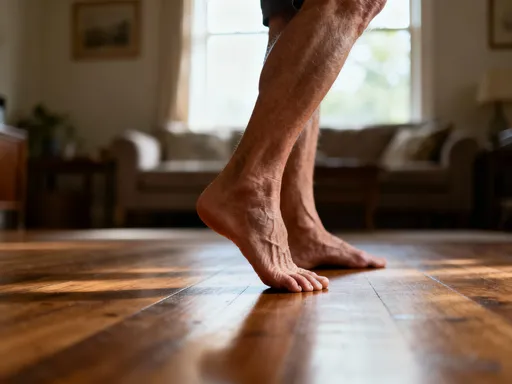
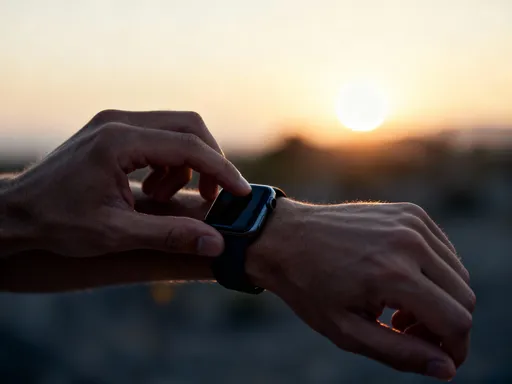
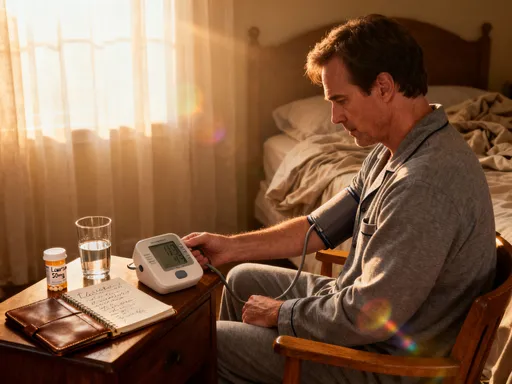
Common red flags include persistent muscle soreness lasting more than three days, elevated resting heart rate, disrupted sleep, irritability, and loss of motivation. A simple way to monitor this is by taking your pulse first thing in the morning. A resting heart rate that is consistently 5–10 beats per minute higher than usual may indicate that your body is under stress and needs more recovery time. Another practical check is the morning mobility test: how do you feel when you get out of bed? Do you move stiffly, or can you bend, twist, and walk comfortably? If basic movements feel strained, it may be a sign that your body hasn’t fully recovered from previous exertion.
Mood tracking can also provide valuable insights. Physical stress often manifests emotionally—increased anxiety, impatience, or low mood can reflect an overtaxed nervous system. Keeping a brief daily note about energy levels, sleep quality, and overall well-being can help identify patterns over time. For example, you might notice that after two consecutive HIIT sessions, your energy drops significantly on the third day. This information allows you to adjust your schedule proactively rather than reactively. The goal is not to eliminate challenge but to ensure that intensity is balanced with adequate recovery. By respecting these signals, you protect your body from overuse injuries and build a fitness routine that supports long-term health.
Smart Recovery Tactics That Actually Work (No Fluff)
Effective recovery doesn’t require expensive treatments or complicated routines. Simple, consistent practices yield the best results. One of the most accessible methods is active recovery—low-intensity movement that promotes circulation without adding strain. Examples include walking, light cycling, or gentle swimming. These activities increase blood flow to muscles, helping to clear metabolic byproducts like lactic acid and deliver fresh oxygen and nutrients. Unlike complete rest, active recovery keeps the body moving in a way that supports healing.
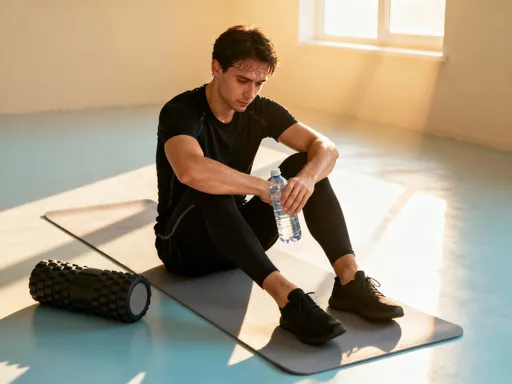
Foam rolling and self-myofascial release are also effective for reducing muscle tightness and improving flexibility. By applying gentle pressure to tight areas, you can release tension in the connective tissue surrounding muscles, enhancing mobility and reducing soreness. Focus on major muscle groups such as calves, hamstrings, quads, and glutes, spending 30 to 60 seconds on each area. While it may feel uncomfortable at first, regular use leads to improved tissue quality over time. Stretching, particularly after a workout when muscles are warm, helps maintain range of motion and prevents stiffness. Dynamic stretches are ideal before exercise, while static holds work best post-workout.
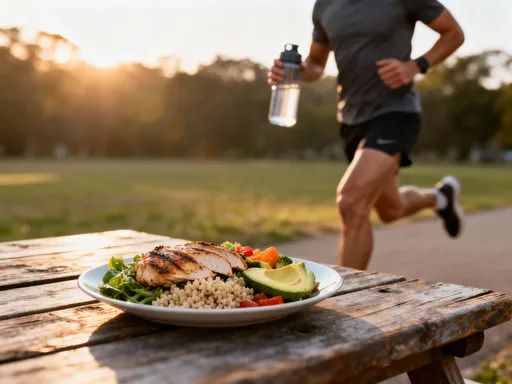
Hydration and nutrition are foundational. Drinking water throughout the day supports every aspect of recovery, from joint lubrication to nutrient transport. After a HIIT session, aim to consume a balanced meal or snack within 45 to 60 minutes, combining protein and complex carbohydrates. For example, a serving of Greek yogurt with berries, a chicken and vegetable stir-fry, or a smoothie with protein powder and oats provides the necessary building blocks for repair. Avoid skipping meals or severely restricting calories, as this can impair recovery and lead to muscle loss.
Sleep remains the most powerful recovery tool. Most adults need 7 to 9 hours of quality sleep per night for optimal repair. Establishing a consistent bedtime routine—such as dimming lights, avoiding screens, and practicing relaxation techniques—can improve sleep quality. Additionally, scheduling a deload week every 4 to 6 weeks allows the body to fully reset. During this period, reduce workout intensity by 50% or shift to low-impact activities. This practice prevents accumulated fatigue, reduces injury risk, and often leads to renewed energy and improved performance afterward.
Movement That Repairs: Low-Impact Practices to Pair With HIIT
Pairing HIIT with low-impact, restorative movement creates a balanced fitness routine that supports both strength and recovery. Activities such as yoga, swimming, and Pilates emphasize controlled motion, core engagement, and joint stability. These practices enhance mobility, improve posture, and strengthen stabilizing muscles that are often underused in high-intensity workouts. Unlike HIIT, which focuses on power and speed, these modalities prioritize precision, breath, and alignment—qualities that contribute to long-term joint health and injury prevention.
Yoga, for instance, combines stretching, balance, and mindfulness. Poses like child’s pose, downward dog, and seated forward bends gently lengthen tight muscles, particularly in the lower back, hips, and hamstrings—areas commonly strained during HIIT. The emphasis on deep breathing also activates the parasympathetic nervous system, promoting relaxation and reducing stress hormones. Swimming offers a full-body workout with zero impact on joints, making it ideal for active recovery. The resistance of water builds endurance while supporting the body’s weight, reducing strain on knees and hips.
Pilates strengthens the core, improves pelvic stability, and enhances neuromuscular control. Many women find that incorporating Pilates reduces lower back discomfort and improves posture, especially after prolonged sitting. These low-impact activities do not replace HIIT but complement it, creating a more resilient, well-rounded physique. A balanced weekly structure might include two to three HIIT sessions, two to three low-impact movement days, and one full rest day. This approach allows for consistent progress without overloading the body. The key is consistency over intensity—small, sustainable efforts compound over time.
Mindset Shift: From Grinding to Growing
One of the biggest obstacles to sustainable fitness is the cultural belief that progress requires constant effort and discomfort. Phrases like “no pain, no gain” have shaped generations of exercisers to equate intensity with effectiveness. While determination is valuable, this mindset can lead to burnout, especially when recovery is undervalued. The truth is, real progress happens during rest, not just during exertion. Muscles grow stronger, endurance improves, and resilience builds when the body has time to adapt.
Reframing recovery as a sign of strength—not laziness—changes the entire approach to fitness. Women who prioritize rest often find they perform better, feel more energized, and stay consistent over time. Instead of measuring success by how hard a workout felt, they measure it by how well their body recovers and how sustainable their routine feels. This shift fosters patience, self-awareness, and long-term commitment. Fitness is not a sprint; it is a lifelong journey that evolves with age, lifestyle, and personal needs.
Many women report that once they embraced recovery, their performance improved. Workouts felt more controlled, energy levels stabilized, and injuries became less frequent. This is not because they were doing less—it’s because they were training smarter. By allowing time for repair, they gave their bodies the opportunity to grow stronger. This approach also reduces the risk of quitting due to burnout or frustration. When fitness feels manageable and enjoyable, it becomes a lasting habit rather than a temporary challenge.
Putting It All Together: A Realistic Weekly Plan for HIIT and Recovery
Creating a balanced weekly plan is essential for maximizing the benefits of HIIT while protecting your body. A sample schedule might look like this: Monday, a 25-minute HIIT session focusing on full-body movements such as squats, jumps, and push-ups; Tuesday, a 30-minute walk followed by 15 minutes of stretching or foam rolling; Wednesday, a 20-minute Pilates routine emphasizing core stability; Thursday, another HIIT session with modified intensity based on how the body feels; Friday, a yoga class or gentle swim for active recovery; Saturday, a strength training session using moderate weights and controlled movements; Sunday, complete rest or a leisurely nature walk.
Each day includes a recovery focus: hydration, nutrition, sleep, or mobility work. For example, after HIIT days, prioritize protein intake and aim for early bedtime. On low-impact days, focus on mindful movement and deep breathing. The plan is flexible—life happens, and workouts may need to be adjusted. The goal is not perfection but consistency. If you feel unusually fatigued, swap a HIIT session for a walk or extend your rest period. Listening to your body ensures that your routine supports, rather than undermines, your health.
It’s also important to recognize individual differences. What works for one person may not work for another. Factors such as age, fitness level, medical history, and lifestyle all influence how the body responds to exercise. Women over 40 may need more recovery time due to natural changes in muscle mass, hormone levels, and joint health. Consulting with a healthcare provider or certified fitness professional can help tailor a program to your specific needs, especially if you have pre-existing conditions such as arthritis, high blood pressure, or previous injuries.
Ultimately, the most effective fitness plan is one that you can maintain for years, not weeks. It should leave you feeling strong, energized, and capable—not drained or injured. By integrating smart recovery practices, balancing intensity with restoration, and adopting a growth-oriented mindset, you create a sustainable path to lifelong health. The goal is not to push your limits every day, but to build a body that can meet life’s demands with resilience and ease.
HIIT can be a powerful tool, but its true value lies in how we recover. By respecting our body’s need for repair, we turn short bursts of intensity into lasting strength. This isn’t about doing more—it’s about training smarter, healing faster, and staying consistent for the long run. The fittest version of you isn’t the one who pushes hardest—it’s the one who knows when to rest.