Hiking Trails and Hearty Meals: A Taste of Patagonia’s Edge
Punta Arenas, Chile, is more than just a gateway to Patagonia—it’s a journey where rugged hikes meet rich flavors. I never expected that trekking through windswept trails would lead to such warm moments over steaming bowls of lamb stew. Between breathtaking landscapes and authentic local food, this southernmost city delivers a unique blend of adventure and culinary soul. You don’t just survive the cold here—you savor it. Nestled on the Strait of Magellan, this windswept port town serves as a crucial stop for travelers bound for Torres del Paine National Park or expeditions to Antarctica. Yet beyond its logistical importance lies a quieter truth: Punta Arenas thrives on resilience, where nature demands respect and hospitality is measured in warmth, not words. Here, every hike is paired with a meal worth remembering, and every meal tells the story of a people shaped by isolation and endurance.
Arrival in the Southern Frontier
Reaching Punta Arenas feels like stepping into the edge of the world. Located at 53 degrees south, it is one of the southernmost cities on Earth, a remote outpost where the Andes meet the open expanse of the Southern Ocean. Despite its isolation, the city greets visitors with unexpected charm—rows of colorful wooden houses painted in deep reds, bright blues, and mustard yellows line the streets, standing defiant against the frequent gusts of wind that sweep in from the strait. These homes, many over a century old, reflect the city’s maritime roots and its history as a vital resupply point for sailors navigating the treacherous waters around Cape Horn.
The city’s central plaza, Plaza Muñoz Gamero, is framed by ornate buildings with European influences, a reminder of the waves of Croatian, Scottish, and German immigrants who settled here in the late 19th century during the sheep-farming boom. The bronze statue of Magellan at the plaza’s center symbolizes both exploration and endurance—qualities still central to life in this part of Chile. While modern travelers no longer arrive by sail, the spirit of adventure remains. Many come to prepare for treks into the nearby national parks or to board vessels bound for the Antarctic Peninsula. Others simply come to experience a place where civilization holds its ground against one of the planet’s most formidable climates.
What surprises most is the warmth of the people. In a region where temperatures can dip below freezing even in summer and winds routinely exceed 50 miles per hour, locals speak with quiet pride about their home. They understand that comfort here is not assumed—it is earned. And one of the most reliable sources of comfort, after a long day outdoors, is found at the dinner table. In Punta Arenas, food is not an afterthought; it is a cornerstone of survival and celebration alike.
The Call of the Wild: Why Hiking Defines This Region
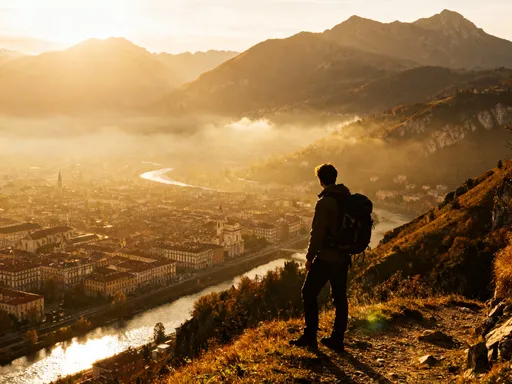
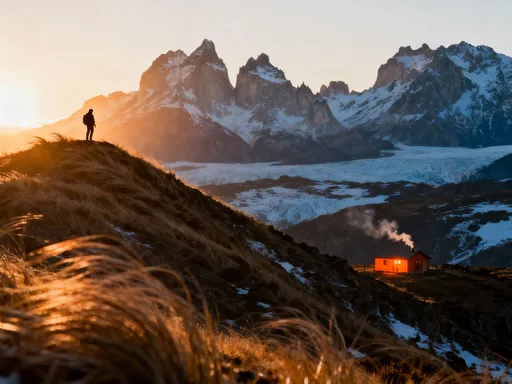
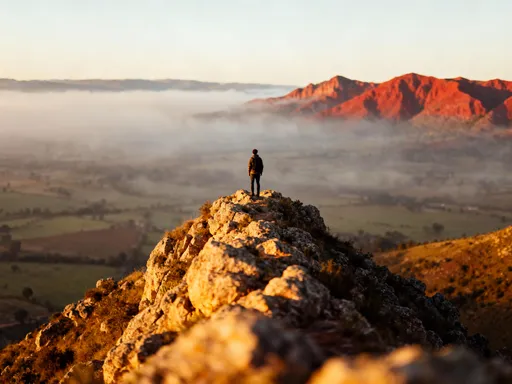
Hiking in southern Patagonia is not merely a recreational activity—it is a dialogue with nature in its most unfiltered form. The terrain surrounding Punta Arenas is a vast mosaic of windswept steppes, glacial valleys, and rocky escarpments carved by ancient ice flows. This is a landscape shaped by elemental forces, where the horizon stretches endlessly and human presence feels both insignificant and deeply connected. Trails such as those on Cerro de la Cruz offer accessible routes for visitors seeking panoramic views without requiring technical skill. From the summit, hikers are rewarded with sweeping vistas of the city, the winding Strait of Magellan, and the distant peaks of the Andes.
Further afield, reserves like Reserva Nacional Magallanes and Parque Nacional Torres del Paine provide more immersive experiences. These protected areas preserve some of the last intact sub-Antarctic ecosystems, home to guanacos, Andean condors, and Darwin’s rheas. The trails vary in difficulty, but even moderate hikes demand attention to weather, footing, and preparation. The wind, often relentless, can slow progress and chill exposed skin within minutes. Yet it is precisely this challenge that draws people in. There is a profound sense of clarity that comes from walking through such raw, unspoiled terrain—where the only sounds are the crunch of gravel underfoot and the distant cry of a soaring bird.
Psychologically, the isolation fosters introspection. Without the distractions of urban life, hikers often report a heightened awareness of their surroundings and a deeper appreciation for small comforts—like sunlight breaking through clouds or the sight of a distant farmhouse with smoke rising from its chimney. The physical exertion, combined with the sheer beauty of the landscape, creates a sense of accomplishment that lingers long after the hike ends. And while the trails test endurance, they also prepare visitors for another essential Patagonian ritual: the return to warmth, rest, and, above all, food.
Fueling the Adventure: How Food Supports the Journey
In a climate where energy expenditure is high and temperatures are low, food is more than sustenance—it is fuel, medicine, and morale. The body burns calories rapidly to maintain core temperature, especially during physical activity. This biological reality has shaped the culinary traditions of southern Chile, where meals are designed to replenish, warm, and satisfy. After hours on the trail, a light snack is rarely enough. What the body craves—and what the culture provides—is hearty, nutrient-dense food that restores strength and lifts the spirit.
The connection between movement and nourishment is deeply embedded in Patagonian life. Local diets have evolved around the region’s most reliable resources: sheep, seafood, and hardy root vegetables. Lamb, in particular, has been a dietary staple since the late 1800s, when European settlers introduced large-scale sheep farming to the Magallanes region. Today, the practice continues, with flocks grazing across the open pampas. The meat is rich in flavor, tender when slow-cooked, and ideally suited to stews and roasts that simmer for hours. These dishes do more than fill the stomach; they represent continuity, tradition, and care.
Equally important is the role of communal eating. After a day of solitary or small-group hiking, sharing a meal becomes an act of reconnection. Families gather around the table, travelers exchange stories in cozy dining rooms, and strangers bond over shared platters. The table becomes a sanctuary, a place where cold hands are warmed by mugs of tea and weary legs are forgotten in the presence of good company. In this way, food serves a dual purpose: it repairs the body and strengthens the social fabric. It is no exaggeration to say that in Patagonia, a good meal can feel like an embrace.
On the Plate: Signature Dishes You’ll Encounter
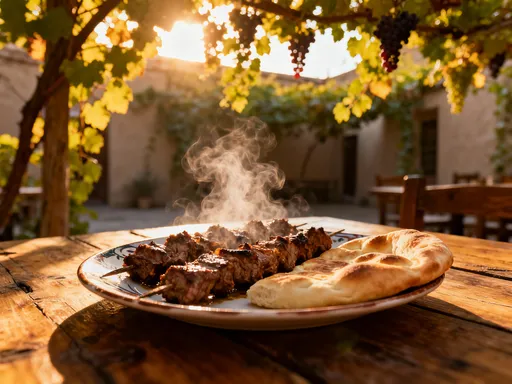
To taste Punta Arenas is to experience a cuisine built on simplicity, seasonality, and bold flavors. One of the most iconic preparations is asado austral, the southern barbecue. Unlike the beef-centric asados of central Argentina, this version often features lamb or mutton, slow-roasted over a wood fire until the exterior is crisp and the interior is succulent. The meat is typically served with minimal seasoning—perhaps a sprinkle of coarse salt and a squeeze of lemon—allowing the natural richness to shine. Eating it outdoors, even in the cold, is part of the tradition, with families gathering around the fire pit, wrapped in thick wool blankets.
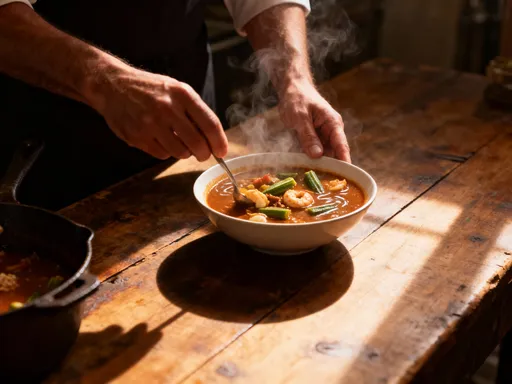
Another staple is sopa de mariscos, a thick seafood stew simmered with shellfish, fish, onions, tomatoes, and potatoes. Cooked in large pots, often in family kitchens or roadside fondas, the soup varies from household to household but always delivers warmth and depth. The aroma alone—briny, herbal, and rich with butter or olive oil—is enough to revive a tired traveler. Equally distinctive is pastel de jaiba, a savory pie filled with king crab or spider crab meat, bound with eggs and cream, and baked in a flaky pastry crust. Served with a simple green salad, it is a celebration of the region’s abundant coastal resources.
For dessert, visitors might encounter calafate con crema, a dish made with the native calafate berry, which grows wild in the Patagonian scrubland. The berries are tart when raw but transform into a sweet, jam-like consistency when cooked. Legend holds that anyone who eats calafate will return to Patagonia someday—a small myth, perhaps, but one that adds poetry to the experience. These dishes are not typically found in upscale restaurants but in family-run eateries, local markets, and homes where cooking is an expression of identity. To eat here is not just to consume food but to participate in a culture that values generosity, resilience, and the simple joy of a shared meal.
From Farm to Fork: The Local Food System Behind the Flavors
The authenticity of Patagonian cuisine begins long before the meal is served. It starts in the vast grasslands where sheep graze freely on nutrient-rich native grasses, producing meat with a distinct flavor profile. The Magallanes lamb, recognized for its quality, is raised without intensive feedlots or artificial hormones, reflecting a commitment to natural farming methods. Many producers operate on a small scale, selling directly to local markets or restaurants, ensuring freshness and supporting regional economies.
Equally vital is the marine ecosystem of the Strait of Magellan and the Beagle Channel. These cold, oxygen-rich waters are home to some of the world’s most prized seafood, including king crab, centolla, and southern hake. Fishing is carefully regulated to prevent overharvesting, with seasonal quotas and size limits in place to protect stocks. Local fishermen, often working in small boats, bring their catch to shore within hours, where it is cleaned, processed, and distributed to markets and kitchens. This short supply chain means that seafood served in Punta Arenas is often less than a day out of the water—something rarely possible in more distant cities.
Even the vegetables on the plate have a story. Due to the short growing season and challenging climate, large-scale agriculture is limited. Instead, hardy crops like potatoes, onions, and cabbage dominate, often grown in greenhouses or imported from northern regions. Wild plants, such as the calafate berry and michay, are foraged sustainably and used in jams, teas, and desserts. Increasingly, local chefs and home cooks are emphasizing farm-to-table principles, sourcing ingredients from nearby producers and highlighting the region’s unique terroir. This focus on locality is not just a trend—it is a necessity born of geography and a point of pride for the community.
Balancing Act: Planning Your Hike and Meal Schedule
For travelers, the key to enjoying both the trails and the cuisine of Punta Arenas lies in thoughtful planning. Unlike cities with round-the-clock dining, meal times here follow a more traditional rhythm. Many family-run restaurants serve lunch between 12:30 and 3:00 p.m. and dinner from 8:00 to 10:00 p.m., with limited availability in between. Hikers should time their excursions accordingly, either starting early to return for lunch or planning a later departure to enjoy a late afternoon snack before dinner.
Packing snacks is essential. Energy-rich foods like dried fruit, nuts, whole-grain bars, and cured meats provide quick fuel without adding bulk. A thermos of hot tea or mate can make a significant difference on a cold trail. Hydration is equally important, as the dry, windy air increases fluid loss even when you don’t feel thirsty. Carrying at least two liters of water per person is recommended for hikes lasting more than a few hours.
Dressing in layers is another critical strategy. Mornings may be calm, but afternoon winds can rise suddenly. A base layer of moisture-wicking fabric, a mid-layer of fleece or wool, and a windproof outer shell create a versatile system that can be adjusted as conditions change. Sturdy, waterproof hiking boots with good ankle support are non-negotiable, especially on uneven or wet terrain. Finally, checking the weather forecast before setting out is a simple step that can prevent discomfort or danger. The region’s microclimates mean conditions can vary dramatically within a short distance, so flexibility and preparedness are essential.
By aligning physical activity with meal times and weather patterns, visitors can maximize both their enjoyment and safety. The rhythm of the day—move, rest, eat, repeat—mirrors the natural cycles of the region and allows for a more immersive experience.
Beyond the Trail: A Culture Built on Resilience and Warmth
The true essence of Punta Arenas cannot be measured in miles hiked or dishes consumed. It lies in the quiet strength of its people and the deep-rooted culture of hospitality that flourishes despite the harsh environment. Living at the edge of the world requires adaptability, cooperation, and a certain stoicism. Yet, rather than fostering isolation, these conditions have cultivated a community that values connection, generosity, and shared experience.
This spirit is most evident at the dinner table, where meals are not rushed but savored, and conversation flows as freely as the wine. Stories of past journeys, weather challenges, and family histories are passed down with the same care as recipes. Even for visitors, there is an open-armed welcome—a sense that, for the duration of a meal, you are not a stranger but a guest. This warmth is not performative; it is born of necessity and tradition, a recognition that in a place where nature holds the upper hand, human bonds are the most reliable source of comfort.
In the end, the journey to Punta Arenas is not just about seeing a new landscape or tasting new foods. It is about relearning the balance between exertion and rest, between solitude and community, between enduring the elements and finding joy within them. The trails test the body, but the meals heal it. The wind may howl, but the table is always warm. And in that contrast lies the heart of Patagonia—a place where adventure and nourishment walk side by side, each giving meaning to the other. To visit is to remember that even in the coldest corners of the world, life, in all its richness, persists.