You Gotta See This – Cinque Terre’s Wild Side Will Blow Your Mind
Nestled along Italy’s rugged coast, Cinque Terre is more than just colorful villages clinging to cliffs. I’m talking untouched trails, secret coves, and vineyard-draped hills that take your breath away. This isn’t just a postcard—it’s raw, wild nature meets centuries-old charm. If you’re chasing real moments, not crowds, let me show you the natural soul of this UNESCO gem. Here, the sea crashes against stone stairways built by hand, grapevines cling to near-vertical slopes, and paths carved over centuries lead to views that feel untouched by time. More than a destination, Cinque Terre is a living dialogue between people and the earth—a balance so delicate, so beautiful, that experiencing it changes how you see travel itself.
The Magic of Cinque Terre’s Landscape
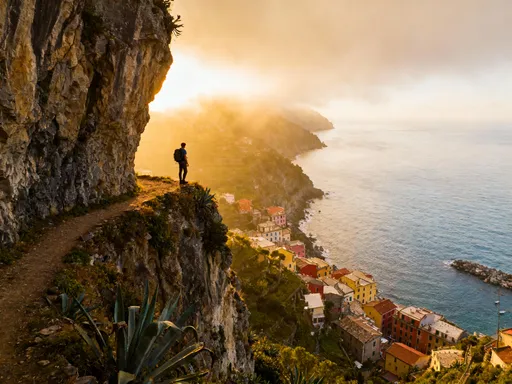
Cinque Terre unfolds like a story written in stone, sea, and soil. Perched along a dramatic stretch of the Ligurian coast, this UNESCO World Heritage site spans five cliffside villages connected by ancient footpaths, terraced hills, and a coastline shaped by both tectonic forces and human persistence. The landscape is nothing short of awe-inspiring—jagged limestone cliffs plunge into the turquoise Mediterranean, while man-made stone terraces rise in stepped layers, defying gravity and erosion alike. These terraces, built over a thousand years ago, are not just agricultural feats but essential guardians of the region’s fragile ecosystem. Without them, the steep slopes would succumb to landslides, especially during heavy rains.
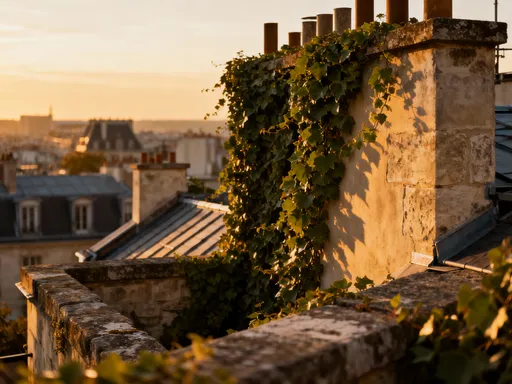
What makes Cinque Terre truly unique is how seamlessly nature and culture are woven together. The villages don’t sit on the land—they grow from it. Stone houses in sun-faded pinks, ochres, and blues are stacked like puzzle pieces along narrow clefts in the rock, each rooftop offering a new vantage point over the sea. The air carries the scent of salt, wild rosemary, and ripe lemons from garden terraces. Arriving by train enhances the sense of discovery: as the tunnel ends, the first village—often Riomaggiore—bursts into view, clinging impossibly to the cliffside. It’s a moment that reminds you of nature’s power and humanity’s quiet resilience.
The region’s UNESCO designation, granted in 1997, recognizes not only its breathtaking beauty but also the centuries-old harmony between people and environment. This status helps protect both cultural landmarks and natural habitats, from marine zones to native plant species like Mediterranean scrub and Aleppo pines. Conservation efforts are ongoing, especially after years of storm damage and overtourism. Still, walking through Cinque Terre today, you can feel the pulse of a landscape shaped by generations of farmers, fishermen, and families who learned to live with the land, not against it. It’s this deep-rooted connection that gives the region its soul—a soul that invites slow, mindful exploration.
Village by Village: Where Nature Meets Culture
Each of the five villages offers a distinct character, shaped by its geography, history, and relationship with the sea. Riomaggiore, the southernmost village, spills down a narrow ravine with houses stacked like honeycombs. Its natural harbor, once used by fishermen, is now a quiet spot for swimming and sunset views. The village’s main street, Via dell’Amore (though currently closed for renovations), once offered a romantic cliffside walk—now, the focus has shifted to quieter trails and local cafes serving fresh anchovies and focaccia.
Just north lies Manarola, perhaps the most photographed of the five. Its iconic harbor, framed by colorful homes and a 14th-century church, opens into a small cove perfect for swimming. But beyond the postcard view, Manarola’s charm lies in its terraced vineyards, which produce the sweet Sciacchetrà wine. The village’s steep staircases and narrow alleys encourage slow movement, inviting visitors to pause and absorb the details—the way light hits the sea in the late afternoon, or how laundry flutters between buildings like festive banners.
Corniglia stands apart—literally. Perched on a 100-meter-high rocky promontory, it’s the only village not directly on the water. Reaching it requires climbing 382 steps or taking a shuttle, but the effort rewards you with panoramic views and a peaceful atmosphere. Surrounded by vineyards and olive groves, Corniglia feels more rural, less tourist-heavy. Its central piazza offers a quiet place to sip lemonade and watch the world go by, while nearby trails lead into quiet woodland and coastal paths.
Vernazza, often considered the most picturesque, combines natural beauty with vibrant community life. Its natural harbor, protected by a medieval stone pier, is lined with fishing boats and seaside restaurants. The village rises in concentric circles around the bay, with steep stairways leading to the Doria Castle on the hilltop. From there, hikers can begin the trail to Monterosso or simply enjoy one of the best views in the region. Vernazza’s resilience was evident after the 2011 floods, when the community rebuilt with care, preserving its historic character.
Finally, Monterosso al Mare, the largest and most accessible village, offers the only real sandy beach in Cinque Terre—though it’s partly man-made. It serves as a gateway for many travelers but also retains charm in its old town, with narrow alleys, lemon trees, and family-run eateries. Beyond the beach, Monterosso’s hills are covered in terraced vineyards and fragrant pine forests, making it a great starting point for longer hikes. Together, these five villages form a mosaic of micro-environments, each shaped by wind, water, and human hands—proof that beauty thrives in diversity.
Hiking the Iconic Trails (and When to Avoid Them)
No experience in Cinque Terre is more defining than hiking its legendary trails. The most famous, the Sentiero Azzurro (Blue Trail), once connected all five villages along the coastline. While sections remain closed due to landslides and erosion—particularly the Riomaggiore to Manarola and Corniglia to Vernazza stretches—several routes are open with proper permits and seasonal restrictions. The trail from Vernazza to Monterosso, about 3.5 kilometers long, is currently one of the most accessible and breathtaking. It winds along the cliffside, offering constant sea views, shaded by Mediterranean scrub and punctuated by stone rest points.
Hiking in Cinque Terre is not just exercise—it’s immersion. The path is made of worn stone, uneven in places, requiring steady footing and good shoes. But every turn reveals something new: a hidden cove, a patch of wild thyme, a distant sail on the horizon. The trail between Monterosso and Vernazza takes about 1.5 to 2 hours at a leisurely pace, with benches for rest and photo opportunities. Along the way, signs indicate elevation, trail conditions, and safety tips, reflecting the region’s commitment to both accessibility and preservation.
Due to environmental concerns and past accidents, hiking now requires planning. The Cinque Terre National Park issues hiking permits through the Cinque Terre Card, which also includes train travel and trail access. Booking in advance is essential, especially in peak season (May to September). The card comes in different durations—1-day, 2-day, or 3-day options—allowing flexibility while managing foot traffic. It’s not just about revenue; it’s about protecting the trails from overuse. Park rangers monitor conditions, and weather alerts can lead to sudden closures, so checking the official park website before departure is a must.
For those seeking less crowded alternatives, inland trails offer equally stunning experiences. The path from Corniglia to Volastra, for example, climbs through terraced vineyards and olive groves, offering panoramic views without the coastal crowds. Another option is the route from Manarola to Volastra, known as the “Lover’s Walk,” which, despite its romantic name, is a moderate climb with rewarding vistas. These trails are often quieter, cooler in summer, and rich with local flora and fauna. Whether on the coast or inland, hiking in Cinque Terre is about rhythm—pausing, breathing, and letting the landscape unfold at its own pace.
Hidden Coves and Secluded Beaches You Can’t Miss
While the villages draw the eye, the true magic of Cinque Terre’s coastline reveals itself in its hidden coves and quiet swimming spots. These are not resort beaches but natural inlets—rocky shelves, pebble pockets, and sheltered bays accessible only by foot, boat, or a steep descent. Guvano Beach, once an abandoned NATO radar station, is now a reclaimed cove with a bohemian vibe. Reached via a long tunnel from the train tracks near Vernazza, it’s a favorite among locals and adventurous travelers. The water is crystal clear, perfect for snorkeling, and the surrounding cliffs provide shade and privacy.
Another gem is the small beach at Fegina, just east of Monterosso. While part of it is developed, the rocky areas to the north remain wild and quiet. Here, you can slip into the water from flat stones warmed by the sun, floating in turquoise depths while gulls cry overhead. Snorkeling reveals sea urchins, darting fish, and swaying seaweed—an underwater world thriving in protected zones. For those willing to hike, the cove below Corniglia, accessible via a steep path called Larderia, offers solitude and stunning views, though swimming conditions vary with the tides.
Ferries provide another way to discover these hidden spots. The regional boat service connects all five villages, offering a unique perspective from the water. A boat ride at sunset reveals the villages glowing in golden light, their reflections dancing on the waves. Some boats stop at designated swimming points, where you can jump in for a quick dip. The service is reliable, eco-friendly, and far less stressful than hiking in midsummer heat. For a more personalized experience, small guided kayak tours paddle along the cliffs, slipping into sea caves and anchoring in quiet bays. These tours often include stops for swimming and local snacks, combining adventure with relaxation.
Swimming in Cinque Terre is not about long sunbathing sessions but about connection—feeling the cool Mediterranean embrace, hearing the echo of waves in sea caves, and floating under open sky. The water changes color throughout the day, from deep sapphire in the morning to shimmering emerald by noon. Because access is limited, these coves remain pristine, free from crowds and commercial development. The experience is intimate, almost sacred—a reminder that nature’s best gifts are often the hardest to reach.
Terraced Vineyards and the Taste of the Land
One of the most remarkable features of Cinque Terre is its terraced vineyards—centuries-old stone walls carved into near-vertical slopes, supporting grapevines that produce some of Italy’s rarest wines. These terraces are not just scenic; they are a lifeline. Built without mortar, using only local stone, they prevent soil erosion, retain moisture, and create microclimates ideal for viticulture. Without them, farming here would be impossible. Today, they stand as a testament to human ingenuity and perseverance, maintained by a small but dedicated group of local farmers.
The star of Cinque Terre’s wine tradition is Sciacchetrà, a sweet dessert wine made from sun-dried grapes—primarily Bosco, Albarola, and Vermentino. The process is labor-intensive: grapes are harvested by hand, then laid on mats to dry for weeks, concentrating their sugars. The resulting wine is rich, amber-colored, with notes of apricot, honey, and dried fig. It’s often served in small glasses after meals, paired with local almond biscuits or fresh ricotta. While production is limited, several family-run wineries offer tastings with panoramic views, turning wine into an experience of place.
Visiting a vineyard in Cinque Terre is more than a tour—it’s a lesson in sustainability. Many winemakers use organic practices, avoiding chemicals and relying on natural pest control. Some, like those in the village of Manarola, have revived abandoned terraces through community efforts, supported by UNESCO grants and eco-tourism. These projects not only preserve agriculture but also prevent landslides by stabilizing the soil. For visitors, a vineyard visit offers a chance to walk among the terraces, meet the growers, and taste wine that captures the essence of the land—sun, sea air, and centuries of care.
Wine is not the only flavor of Cinque Terre. The region’s cuisine is deeply tied to its environment. Fresh anchovies, marinated in local olive oil and lemon, are a staple. Pesto, made with Genovese basil grown in village gardens, is served with trofie pasta. Chestnuts from inland forests appear in desserts and breads. Every meal tells a story of adaptation and abundance, of people making the most of what the land and sea provide. To eat here is to taste resilience—a flavor that lingers long after the journey ends.
Sustainable Travel: How to Respect This Fragile Paradise
Cinque Terre’s beauty comes with a warning: it is fragile. Decades of tourism, combined with climate change and natural erosion, have put immense pressure on the region. In 2011, devastating floods damaged trails and homes, a wake-up call about the risks of overuse. Today, the Cinque Terre National Park enforces strict regulations to protect both nature and culture. These rules are not inconveniences—they are necessities. Staying on marked trails prevents soil erosion. Using refillable water bottles reduces plastic waste. Respecting quiet hours and local customs honors the communities that call this place home.
One of the most important choices travelers can make is when to visit. Peak season (June to August) brings large crowds, strain on infrastructure, and higher temperatures. Traveling in the shoulder seasons—April to May or September to October—offers milder weather, fewer people, and a more authentic experience. Trails are less crowded, ferries less packed, and villages more relaxed. Even within the day, timing matters. Starting hikes early in the morning avoids both heat and crowds, while sunset offers golden light and peaceful moments in the piazzas.
Supporting local businesses is another way to travel responsibly. Choosing family-run guesthouses, eating at village trattorias, and buying from small artisans ensures that tourism benefits the community directly. Many local tours now carry eco-certifications, emphasizing low-impact practices and cultural education. Some even include trail maintenance activities, allowing visitors to give back. These experiences create deeper connections, turning sightseeing into stewardship.
Perhaps the most powerful act of sustainable travel is simply slowing down. Cinque Terre is not meant to be rushed. It rewards those who linger—sitting on a stone wall with a slice of focaccia, watching fishermen mend nets, or listening to church bells echo across the cove. When you move slowly, you notice more: the way ivy climbs an old wall, the pattern of waves against rock, the smile of a local baker. These moments, small and unscripted, are the heart of travel. By choosing mindfulness over speed, you help preserve the soul of Cinque Terre for generations to come.
Putting It All Together: Crafting Your Perfect Nature-Focused Itinerary
Planning a trip to Cinque Terre with nature at the center means prioritizing experience over checklist tourism. A well-crafted three-day itinerary allows you to immerse in the landscape without rushing. Day one could begin in Monterosso, where an early morning swim at Fegina Beach sets a peaceful tone. After breakfast, hike the trail to Vernazza—stopping often, taking photos, and arriving in time for lunch at a seaside cafe. Spend the afternoon exploring the village, visiting the castle, and catching the ferry back to relax as the sun sets.
Day two starts in Corniglia, reached by train. After climbing the steps (or taking the elevator), enjoy a quiet breakfast in the piazza. Then, hike the inland path to Volastra, winding through vineyards and olive groves. Return to Corniglia for a light lunch, then take the train to Manarola. Spend the late afternoon swimming at the harbor or exploring the nearby trail to Guvano Beach. End the day with a wine tasting, savoring Sciacchetrà as the village lights begin to glow.
On day three, rise early and take the ferry to Riomaggiore. Walk the waterfront, visit the church of San Giovanni Battista, then begin the hike to Manarola—if the trail is open. If not, explore the village’s upper paths or take a boat tour along the coast. After lunch, visit a local winery or join a guided garden tour to learn about native plants. End your journey with a slow dinner in Vernazza, toasting to the sea, the trails, and the quiet beauty that stays with you long after you leave.
This kind of travel—intentional, respectful, and deeply felt—is what Cinque Terre inspires. It’s not about collecting photos or ticking off villages. It’s about letting the landscape move you, teaching you to walk gently, breathe deeply, and see beauty in balance. In a world that often feels rushed and disconnected, Cinque Terre offers a different rhythm—one shaped by tides, terraces, and time. And if you listen closely, it just might change the way you travel forever.